Technology
Expanding the Supply of Critical Materials
Critical materials are the inputs modern industry depends on to build, move, and power the physical world, from steel and cement to batteries and grid infrastructure. Many are getting harder to source, and much of what is mined is left unused during conventional processing.
Electra’s process, powered by chemistry and electricity, produces multiple critical materials from the same ore, including 99% pure iron, alumina, silica and manganese. The result is more usable material from every ton.
How Electra's process works

Iron ore is dissolved in an acidic solution.

Iron is retained in the solution while other mineral products are separated and removed.

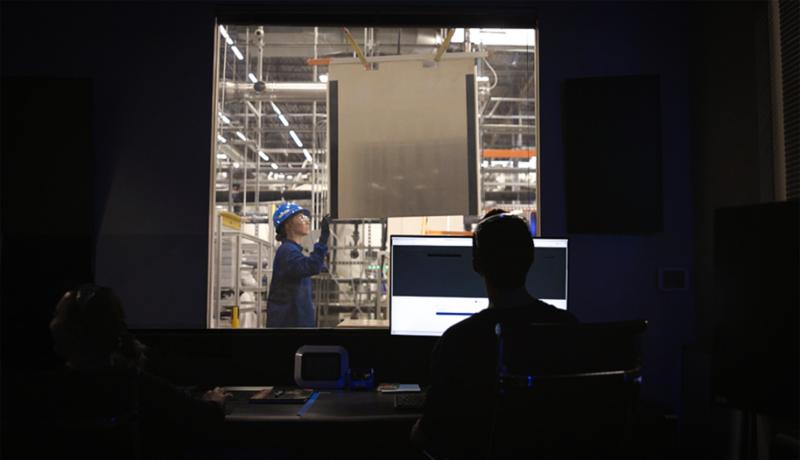
Electricity is run through the solution, and iron is electrodeposited onto metal sheets.

Electra's iron can be converted into steel using Electric Arc Furnaces (EAFs) or utilized to make batteries or magnets.
What makes Electra different?
Expands the Range of Usable Ore
Conventional ironmaking uses high-grade ores and leaves lower-iron content ores, tailings, and other already-mined stockpiles behind. Electra's process works across a wider range, turning ore the industry doesn't use today into a new source of critical materials.

Produces High-Purity Iron and Minerals
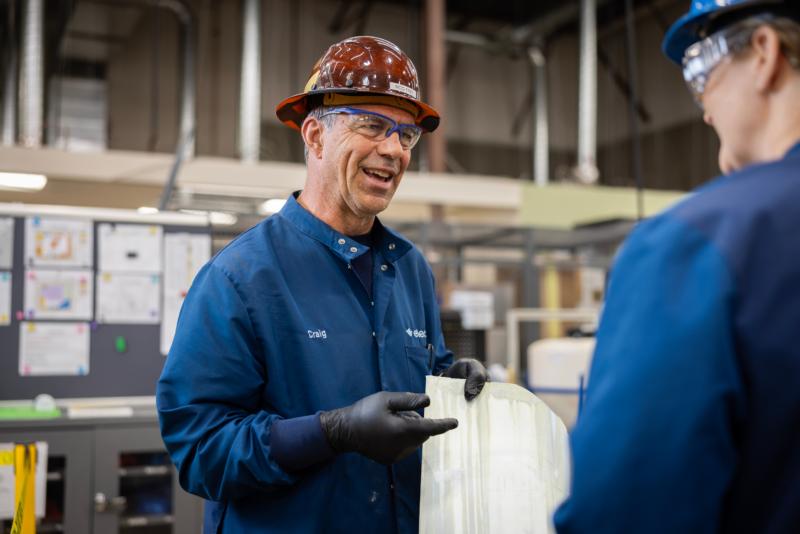
Electra produces 99% pure iron that can be combined with scrap metal in Electric Arc Furnaces to produce high-grade steel or used for batteries and magnets, while extracting minerals including silica for cement and aluminum sulfate for water treatment.
Built to Scale
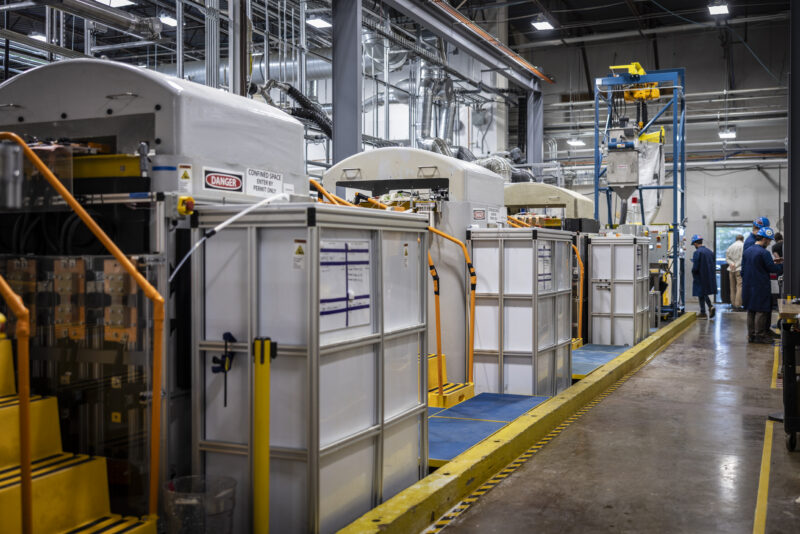
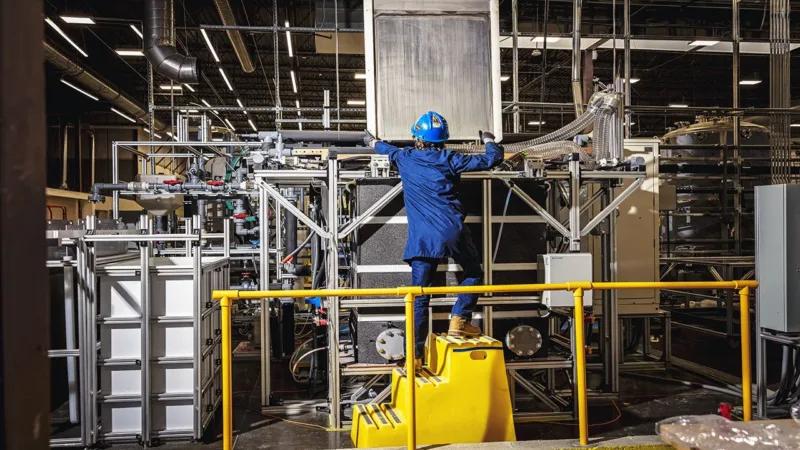
Electra's system is built as a network of connected cells that work like stackable building blocks. Each unit uses existing equipment and materials available at scale, and capacity grows by adding cells rather than redesigning plants.
Recognized in the industry


Learn more about us
Meet the team
Our Team